If you’ve ever carried a traditional bear canister for more than a few miles, you already know it’s not just about fitting your food, it’s about how that rigid cylinder fits you and your pack.
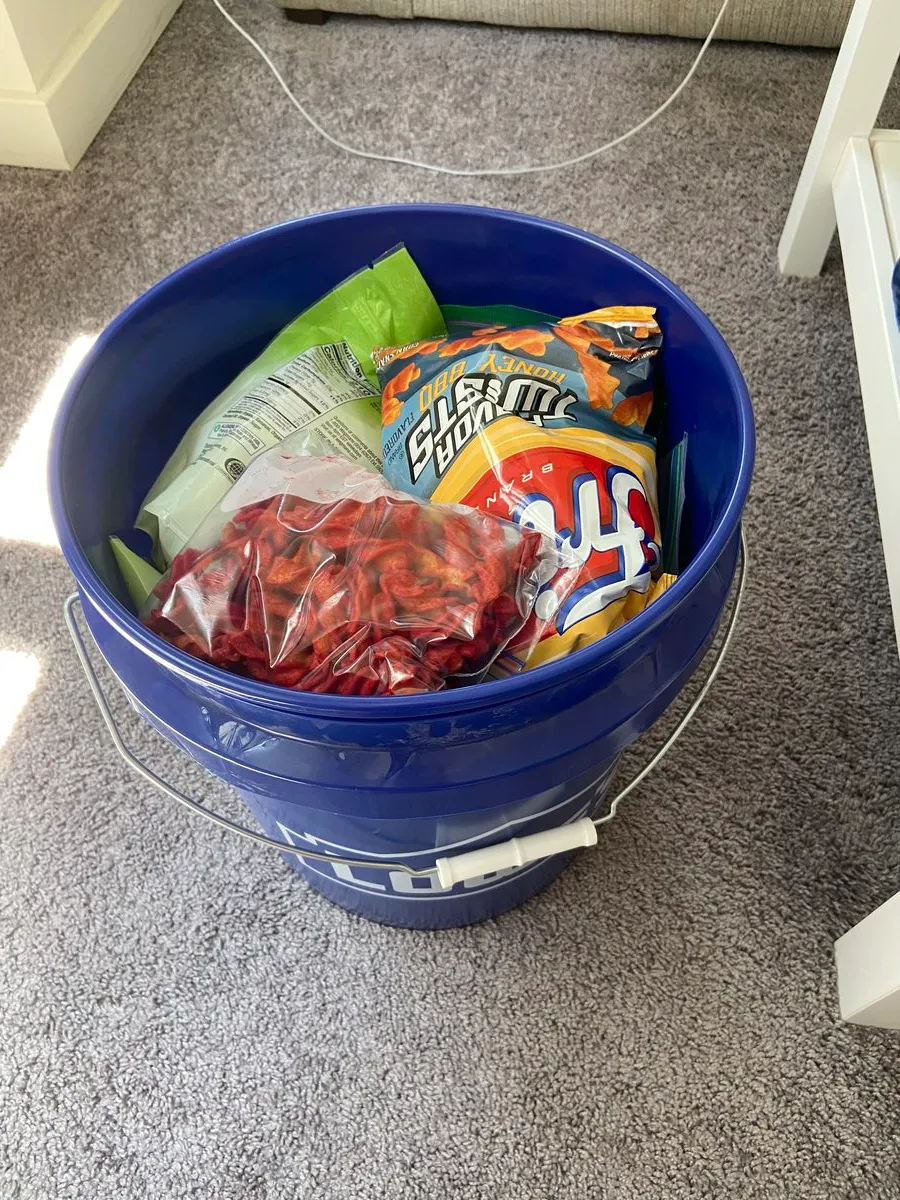
JMT resupply bucket
Bear canisters’ main job is to keep your food secure from wildlife, but for years, the user experience has been an afterthought. The result? Hard plastic barrels that don’t conform to your back, waste valuable pack space, and throw off your center of gravity on long climbs. That’s where ergonomics come in.
The Weight You Can’t Afford to Waste
Backpacking is a game of ounces, but it’s also a game of balance. A standard bear canister might weigh only 2–3 pounds, yet if that weight sits awkwardly against your spine or shifts your load higher than it should, those pounds feel multiplied by the mile. Poor ergonomics cause your core and shoulders to work harder, leading to fatigue and even long-term strain, especially on multi-day treks.
An ergonomic bear canister is designed to carry better. By contouring to the natural curve of your back or integrating more efficiently with pack shapes, it helps distribute weight closer to your body’s center of gravity. The result is a more stable, efficient, and comfortable carry. Something every backpacker will notice within the first few steps. Learn more about why ergonomics matter for your comfort on the trail.
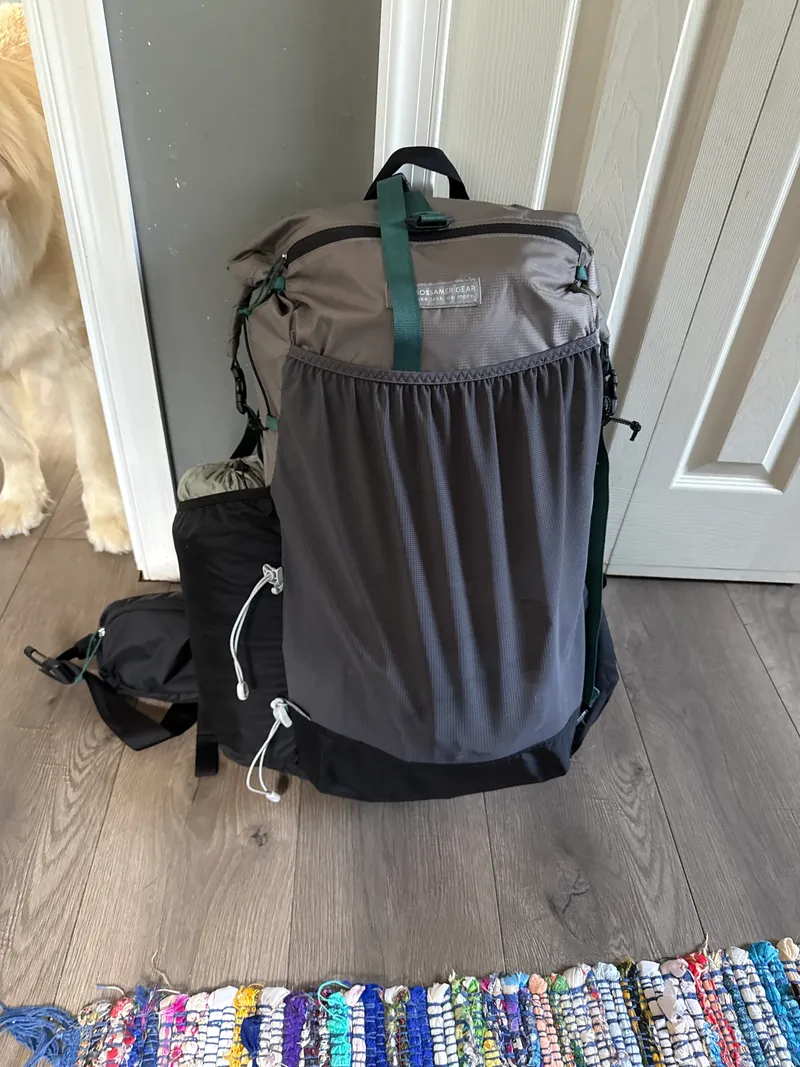
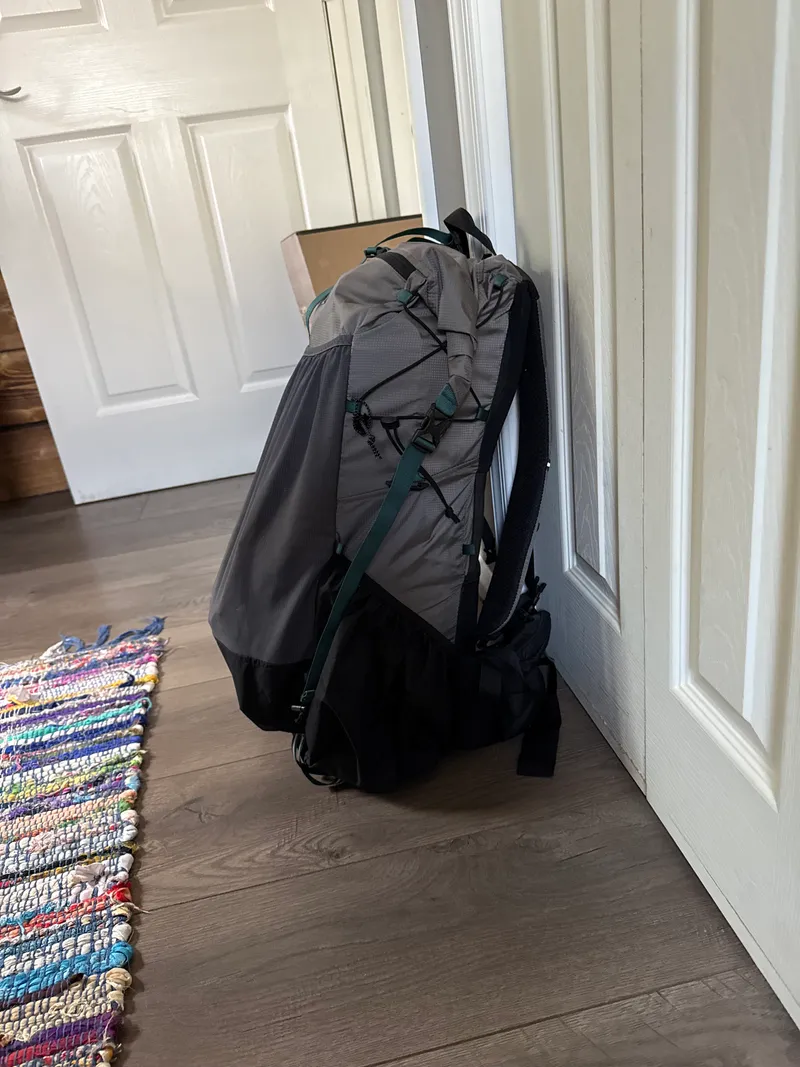
Banner Gear Co. Canister Inside A 40 Litre Frameless Pack
More Space, Less Struggle
Traditional cylindrical canisters also leave awkward dead zones in your pack. Rounded edges press against the flat walls of your backpack, creating wasted volume and forcing you to pack around them. Ergonomic canisters that account for real-world packing geometry make a surprising difference: more efficient use of space, fewer pressure points, and a better organized kit.
Safety Meets Comfort
Good ergonomics aren’t just about comfort; they can actually improve safety. When your load is stable and properly balanced, you’re less likely to trip or twist an ankle on uneven terrain. On exposed trails or steep descents, that stability matters.
And when a product feels better to carry, backpackers are more likely to use it consistently. Meaning fewer people skipping bear safety altogether due to frustration or discomfort. In that way, ergonomic design supports both the hiker and the wilderness.
A Smarter Way Forward
The outdoor industry has innovated everything from ultralight shelters to moisture-wicking base layers, yet bear canisters have largely remained unchanged. It’s time we reimagine them. Not just in terms of weight and strength, but in how they integrate with the human body and the packs we carry.
Because in the backcountry, comfort isn’t a luxury, it’s endurance. And endurance is what gets us to that next ridge, that next pass, or that quiet alpine lake where the only sound is wind through the trees and the beautiful solitude only known in the wilderness.